
What is a Recyclable Packaging Pouch?
In today's market, "going green" is no longer just a tagline; it's a core business strategy. As consumers and regulators turn their attention toward environmental health, the recyclable packaging pouch has emerged as a frontrunner in the movement to reduce waste. Unlike traditional single-use plastics that can take up to 1,000 years to decompose, these pouches are designed to be processed and reborn as new materials.
Definition of a Recyclable Packaging Pouch
A recyclable packaging pouch is a flexible container made from materials that can be successfully recovered and reused by recycling centers. While 23% of current landfill waste comes from shipping and packaging, these pouches aim for a circular economy—a system where materials are collected, processed, and integrated back into the supply chain.
To be truly recyclable, a pouch typically utilizes materials like:
- Polyethylene (PE): Often found in water bottles and food bags, this plastic can be melted down and reformed into new items.
- Paper and Cardboard: These are the most recycled materials globally (with a 68% reuse rate in 2021) and are completely biodegradable.
- Aluminum: A flexible material often used for food preservation, aluminum is infinitely recyclable without losing its quality.
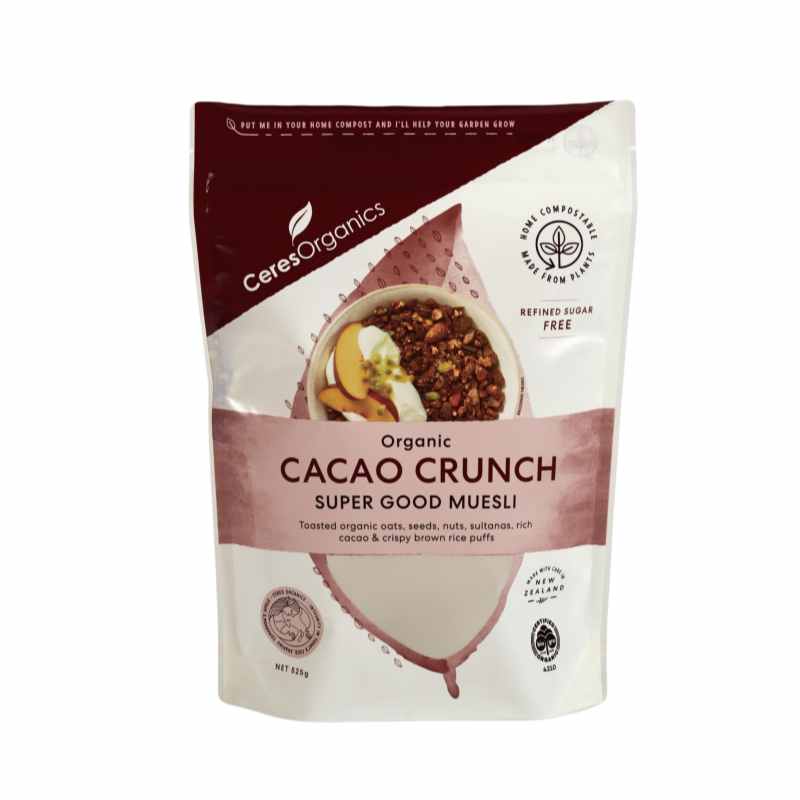
Recyclable Stand Up Zipper Pouch
Common Application Scenarios
Recyclable pouches are replacing rigid containers across diverse sectors because they are lightweight and resource-efficient:
- Food and Beverage: Ideal for snacks, dry goods, and liquids. Modern designs like spout pouches provide leak-proof seals for sauces and baby food.
- Cold Chain Logistics: Recyclable pouches are used for eco-friendly ice packs, ensuring temperature-sensitive pharmaceuticals and foods stay fresh without adding non-biodegradable plastic to the environment.
- Home and Personal Care: Concentrated soaps and detergents are increasingly packaged in recyclable pouches to reduce material volume.
- Industrial Heavy-Duty: Reinforced designs like quad seal pouches are used for pet food and heavy bulk items.
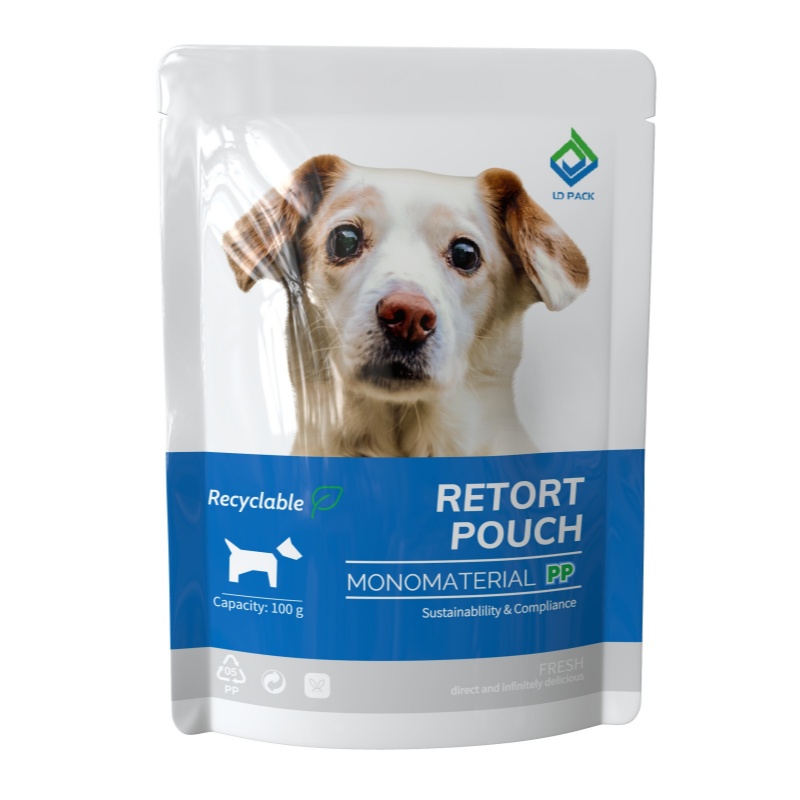
The Technical Shift: Why Mono-Materials Matter
The biggest technical hurdle in recycling flexible packaging has historically been the use of multi-layer composites (mixing different plastics or foils), which are nearly impossible to separate.
The industry is now pivoting toward mono-material designs—packaging made from a single type of plastic, such as Mono-PE or Mono-PP. These simplified structures are 100% recyclable and meet global standards, such as the CEFLEX requirements in Europe, while still providing excellent barriers against moisture, oxygen, and light.
Why Brands are Making the Switch
- Consumer Loyalty: A 2022 study showed that 86% of consumers aged 45 and under are willing to pay more for sustainable packaging.
- Regulatory Compliance: More states are passing Extended Producer Responsibility (EPR) laws, which hold manufacturers accountable for the entire lifecycle of their packaging.
- Cost Savings: While the initial switch requires an investment, companies can save millions over time through reduced material usage and lower energy costs—recycled glass, for example, melts at lower temperatures than raw materials.
LD PACKAGING: Leading the Eco-Ready Future
LD PACKAGING is at the forefront of sustainable innovation, offering a wide range of high-performance pouches that don't compromise on quality or shelf appeal. Their recyclable product line includes:
- Recyclable Stand-Up Zipper Pouches: Combines eco-conscious mono-materials with modern reclosable convenience.
- Recyclable Spout Pouches: Lightweight, space-saving, and ideal for eco-conscious brands in the liquid or baby food sectors.
- Recyclable Retort Pouches: Delivers high heat resistance and strong barriers for shelf-stable foods.
- Recyclable Quad Seal & Flat Bottom Pouches: Engineered for excellent shape retention and durability, making them perfect for heavy-duty packaging and premium branding.
Why Choose LD PACK Recyclable Packaging?
According to company data, LD PACK offers several distinct advantages for businesses looking to upgrade their sustainability profile:
- Circular Economy Integration: Their designs simplify recycling and maximize material recovery by moving away from multi-layer composites to mono-materials.
- Operational Efficiency: Their recyclable films and pouches are versatile and efficient, designed to be compatible with existing automated packaging lines for a seamless transition.
- Advanced Barrier Performance: Despite being 100% recyclable, these pouches provide full protection against moisture, oxygen, and light to maintain product integrity.
- Expert R&D Support: With a dedicated research and development team, LD PACK helps brands stay future-focused and eco-ready through continuous sustainable innovation
Conclusion
Transitioning to recyclable packaging pouches is a win-win for both the planet and your bottom line. By adopting these flexible solutions, brands can satisfy the growing demand for sustainability, comply with evolving environmental laws, and reduce their overall carbon footprint. Whether you are in the food, pharmaceutical, or industrial sector, the shift to a circular packaging model with a partner like LD PACKAGING ensures your business remains competitive, compliant, and future-focused.
FAQ
Q1. Are recyclable pouches as durable as traditional plastic ones?
A: Yes. Modern mono-material pouches (like those from LD PACK) are engineered to provide high-strength seals and excellent barrier performance against moisture, oxygen, and light. You don't have to sacrifice product freshness to be eco-friendly.
Q2. Isn't recyclable packaging much more expensive?
A: While the upfront cost can be slightly higher, sustainable packaging offers long-term savings. You reduce material usage, lower transportation costs due to the lightweight nature of pouches, and avoid potential fines or taxes associated with non-recyclable waste.
Q3. What is the difference between compostable and recyclable?
A: Recyclable packaging is meant to be collected and processed into new products (a circular loop). Compostable packaging is designed to break down naturally into organic matter. Choosing between them depends on your local waste infrastructure and your specific product needs.
Q4. How do I know if my local facility will accept these pouches?
A: Most modern facilities are equipped to handle Mono-PE or Mono-PP materials. Choosing CEFLEX-compliant packaging ensures that your pouches meet the mainstream requirements for sorting and recovery systems worldwide.