
A Practical Guide to PCR and Recyclable Pre-Made Pouches
Post-Consumer Resin PCR is recycled plastic resin made from materials that have already been used, collected, processed, and converted into new resin. In pre-made pouch packaging, PCR can help brands reduce virgin plastic use and support recycled content goals.
But PCR packaging must be selected carefully. For food, pet food, beverage, personal care, and household products, the pouch still needs to protect the product, seal properly, run on filling equipment, and meet safety or compliance requirements.
What Is Post-Consumer Resin PCR?
Post-Consumer Resin PCR refers to plastic resin made from materials that have already been used by consumers or end users, collected through recycling systems, sorted, cleaned, processed, and converted back into resin pellets.
In simple terms, PCR gives used plastic a second life.
A typical PCR process may include:
- Used plastic packaging is collected after consumption.
- The material is sorted by resin type and quality.
- Labels, residues, and contaminants are removed as much as possible.
- The plastic is washed, shredded, melted, filtered, and pelletized.
- The recycled resin is used to make new plastic products or packaging components.
PCR is different from virgin resin, which is made from new raw materials. It is also different from post-industrial recycled material, which usually comes from production waste before a product reaches the consumer.
For brands, this difference matters. When a packaging specification mentions PCR content, it should refer to material that has completed its original use and has been recovered from the post-consumer waste stream.
PCR vs. Recyclable Packaging: They Are Not the Same
One common misunderstanding is that PCR packaging and recyclable packaging mean the same thing. They do not.
PCR describes where the plastic material comes from.
It tells you that part of the material is made from post-consumer recycled plastic.
Recyclable packaging describes what may happen after the package is used.
It tells you whether the package is designed to be collected, sorted, and recycled through suitable recycling systems.
A pouch can contain PCR but still be difficult to recycle if it uses a complex multi-material structure. A pouch can also be designed for recyclability with a mono-material structure but may not contain PCR.
For this reason, brands should look at two questions together:
- Does the packaging include recycled content?
- Is the finished pouch designed for recycling after use?
For flexible packaging, mono-material pouch design is one of the most practical ways to improve recyclability. By using PE-based, PP-based, or other compatible material structures, the pouch can be better aligned with existing recycling streams where collection and recycling facilities are available.
Why PCR Matters in Sustainable Packaging
PCR is important because it helps create demand for recycled plastic materials. Without market demand, collected plastic has limited value. When brands choose recycled content responsibly, they help support a more circular packaging system.
1. PCR helps reduce reliance on virgin plastic
Using PCR can replace part of the virgin resin in suitable packaging applications. This helps brands reduce dependence on newly produced plastic materials and supports recycled material markets.
2. PCR supports circular packaging goals
Circular packaging is not only about making a package recyclable. It also means keeping materials in use for longer. PCR helps close the loop by turning used plastic into feedstock for new products.
3. PCR can support brand sustainability targets
Many brands have internal goals to reduce virgin plastic use, increase recycled content, or improve packaging circularity. PCR can be part of that strategy when the material is suitable for the application and properly verified.
Why PCR Needs Careful Evaluation in Pre-made Pouches
Pre-made pouches are performance packaging. They are not simple plastic bags.
A pouch may need to protect coffee aroma, prevent moisture from entering snack packaging, resist oil in pet food, withstand pressure in a spout pouch, or survive high-temperature sterilization in a retort pouch. These requirements make PCR selection more technical.
Before using PCR in a pre-made pouch, brands should evaluate the following factors.
Food-contact safety
For food packaging, PCR must be evaluated carefully. The material source, recycling process, possible contamination, functional barrier design, and target market regulations all matter.
In many cases, PCR may be more suitable for non-food-contact layers, secondary packaging, or non-food applications unless the recycled material and packaging structure are properly supported by regulatory documentation.
Odor and color
PCR can vary in odor, color, clarity, and appearance depending on the source material and recycling process. This may affect premium packaging, transparent windows, light-colored designs, or aroma-sensitive products.
Mechanical performance
Flexible packaging must maintain strength during filling, sealing, transportation, shelf display, and consumer use. PCR content may affect stiffness, puncture resistance, tear behavior, and sealing performance, depending on resin quality and percentage.
Barrier performance
Many pouches need protection against oxygen, moisture, light, oil, aroma loss, or product contamination. Any PCR-content structure should be tested to confirm that shelf-life requirements are still met.
Sealing and filling line compatibility
A pouch must run smoothly on the customer’s filling equipment. Heat-seal strength, sealing window, pouch flatness, zipper performance, spout sealing, and drop resistance should all be tested before mass production.
How to Choose the Right PCR or Recyclable Pre-made Pouch
Choosing a PCR or recyclable pre-made pouch is not only a material decision. The right structure should match the product, filling process, shelf-life target, regulatory requirements, and recycling goal. For brand owners, the best pouch is the one that balances sustainability with real packaging performance.
Start with the Product Inside
The product should always define the pouch structure. Dry snacks, coffee, pet food, sauces, dairy products, liquid refills, and retort foods all have different packaging needs.
A dry product may mainly require moisture protection and resealable convenience. A liquid product needs stronger sealing, leak resistance, and drop performance. A retort product requires heat resistance, barrier performance, and seal integrity after sterilization.
Before selecting PCR content or a recyclable structure, brands should first confirm:
- Product type and weight
- Oil, moisture, oxygen, aroma, or light sensitivity
- Required shelf life
- Filling temperature
- Storage and transportation conditions
- Consumer use scenario
Confirm Food-contact Requirements
If the pouch is used for food, beverage, dairy, sauce, pet food, or any edible product, food-contact safety must be reviewed before choosing PCR.
PCR may be suitable for selected applications, but the material source, recycled resin quality, layer position, functional barrier, and target market requirements should all be checked. For sensitive food applications, PCR should not be selected only for marketing value. It must support product safety and packaging compliance.
For non-food products, such as household liquids, personal care refills, or industrial products, PCR may offer more flexibility, but chemical resistance and leak performance still need to be tested.
Decide the Main Sustainability Goal
PCR and recyclability are related, but they are not the same. Brands should be clear about the main goal before developing the pouch.
If the goal is to reduce virgin plastic use, PCR content becomes important.
If the goal is to improve end-of-life recovery, recyclable mono-material design should be prioritized.
If the goal is to build a stronger sustainable packaging solution, both PCR content and recyclable structure should be considered together.
A practical approach is to start with a recyclable PE-based or PP-based structure where possible, then evaluate whether PCR can be added without affecting sealing, barrier, appearance, or safety.
Match the Pouch Format to the Application
Different pouch formats solve different packaging problems. Choosing the right format helps improve filling efficiency, shelf display, consumer convenience, and material performance.
Stand-up zipper pouch
Suitable for snacks, coffee, nuts, grains, dry pet food, and pet treats. It offers shelf display, resealable convenience, and good space efficiency.
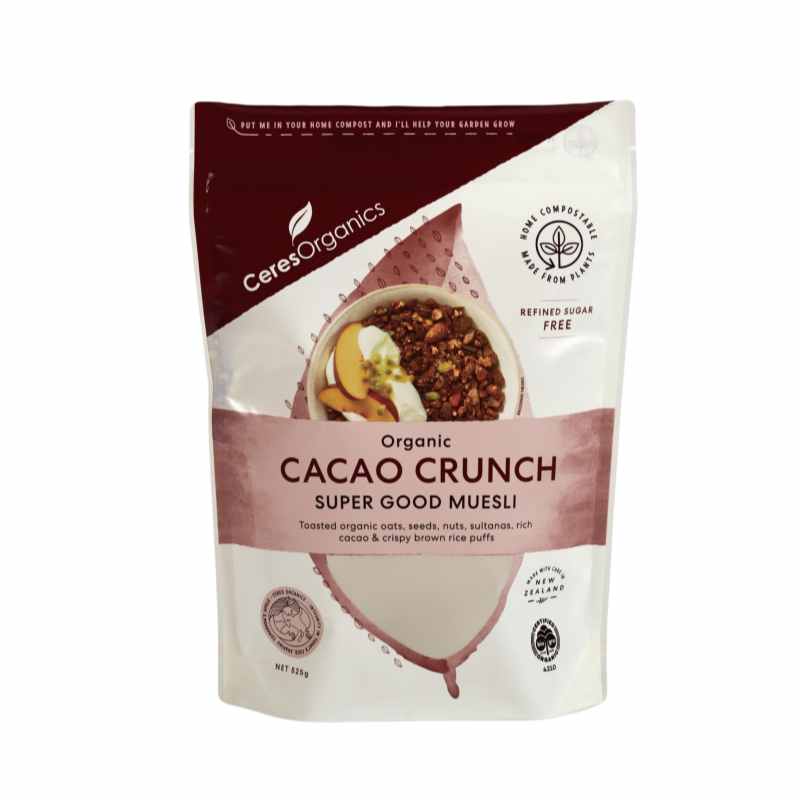
Recyclable Stand Up Zipper Pouch
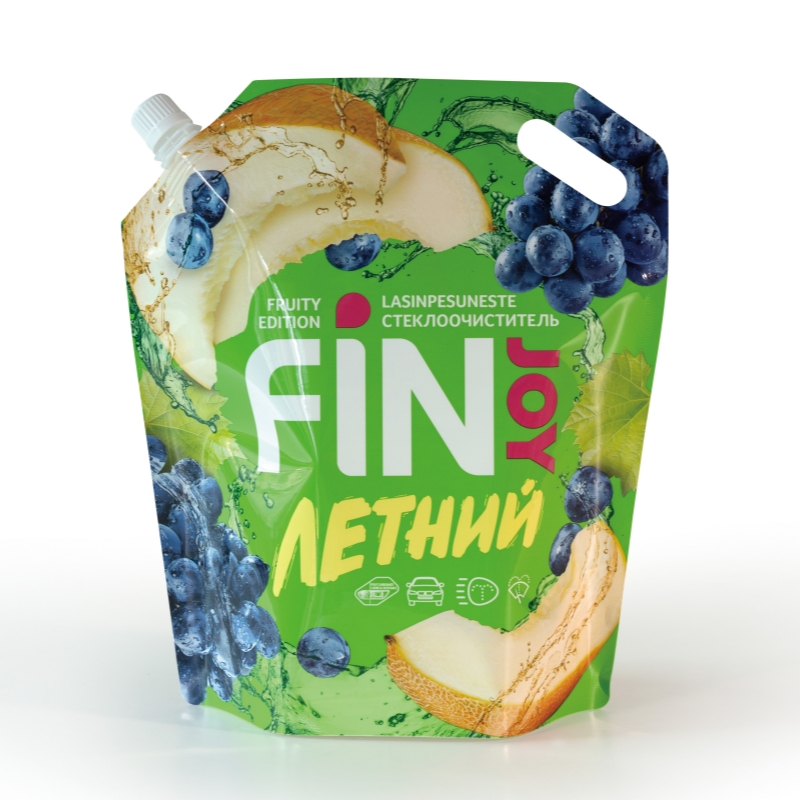
Spout pouch
Suitable for beverages, puree, sauces, dairy products, refill packs, and liquid products. It requires strong sealing, leak resistance, and reliable spout compatibility.
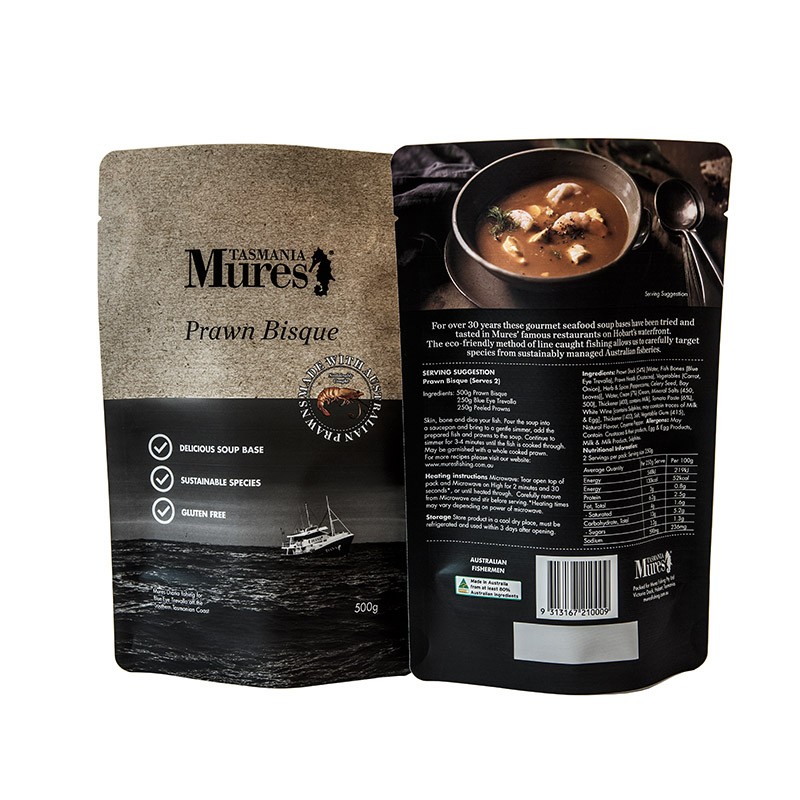
Retort pouch
Suitable for ready meals, wet pet food, sauces, and shelf-stable products that require high-temperature processing. Heat resistance and seal strength are critical.
Flat bottom pouch
Suitable for premium coffee, pet food, grains, and larger-volume dry products. It provides stable standing performance and a strong shelf presence.
Quad seal pouch
Suitable for heavier or larger packages that need stronger structure, better stacking performance, and more printable surface area.
Check Material Compatibility
For recyclable pouch packaging, the full pouch structure should be considered, not only the main film. Zippers, spouts, caps, sealing layers, barrier layers, inks, and adhesives can all affect recyclability.
A recyclable pouch should use compatible materials wherever possible. For example, a PE-based pouch should use components that are suitable for the same recycling stream when available. The same principle applies to PP-based pouch structures.
Important factors include:
- Main film material
- Sealant layer
- Barrier layer
- Zipper or slider
- Spout and cap
- Ink and adhesive system
- Product residue after use
Conclusion
PCR can help pre-made pouch packaging reduce virgin plastic use, but it should be selected with performance in mind. The right pouch must match the product, shelf-life target, filling process, food-contact requirements, and recycling goal. For most brands, the practical path is to combine recyclable mono-material design with PCR content where it is technically suitable, properly documented, and tested before mass production, so sustainability does not compromise product protection.
FAQ
Q1. What does PCR mean in pre-made pouch packaging?
A: PCR means Post-Consumer Resin. It is recycled plastic resin made from materials that have already been used, collected, processed, and converted into new resin. In pre-made pouches, PCR may be used in selected layers or components depending on product requirements and material suitability.
Q2. Is PCR packaging the same as recyclable packaging?
A: No. PCR refers to the source of the plastic material, while recyclable packaging refers to the end-of-life design of the finished pouch. A pouch can contain PCR but may not be recyclable. A recyclable pouch can also be made without PCR.
Q3. Can PCR be used in food packaging pouches?
A: PCR may be used in some food packaging applications, but it must be carefully evaluated. Food-contact safety, recycled material source, possible contamination, layer position, functional barrier, and target market requirements should all be reviewed before use.
Q4. What PCR percentage is best for a pouch?
A: There is no universal best percentage. The right PCR level depends on the product, pouch structure, sealing requirements, barrier performance, appearance, food-contact status, and production process. The best choice is the highest practical PCR content that still meets packaging performance and safety requirements.
Q5. Will PCR affect pouch performance?
A: It can. PCR may influence odor, color, clarity, stiffness, sealing window, puncture resistance, or film consistency. That is why PCR pouch structures should be tested before mass production, especially for food, liquid, retort, and long shelf-life products.
Q6. Which pouch types can use PCR or recyclable structures?
A: PCR or recyclable structures may be considered for stand-up zipper pouches, spout pouches, flat bottom pouches, quad seal pouches, retort pouches, and bag-in-box solutions. The suitable structure depends on the product type, filling process, barrier requirement, and recycling goal.