
Difference Between Recyclable Packaging & Traditional Packaging
Packaging decisions shape more than how a product looks on shelf. They affect material selection, filling efficiency, brand positioning, customer perception, and what happens after the pack is used.
Today, the biggest shift is not simply from "old" packaging to"new" packaging. It is the move from complex, conventional structures toward packaging designed with recyclability in mind, especially formats built around simpler material systems that fit real collection and recycling pathways.
Recyclable Packaging
Recyclable packaging is designed to be collected, sorted, and processed through existing recycling systems so the material can be reused in new products. In practice, recyclability depends not only on the claim on the package, but also on whether the structure is compatible with real recycling streams in the target market.
For flexible packaging, material structure plays a major role. Simpler designs are usually easier to recycle, which is why recyclable packaging is often built around mono-material solutions such as mono-PE or mono-PP. Compared with traditional multi-layer laminates, these structures are generally better aligned with recycling needs while still supporting practical packaging performance.
Popular Types of Recyclable Packaging
In flexible packaging, recyclable formats are often developed around pouch structures that brands already know and use, but redesigned with mono-material construction. Common examples include:
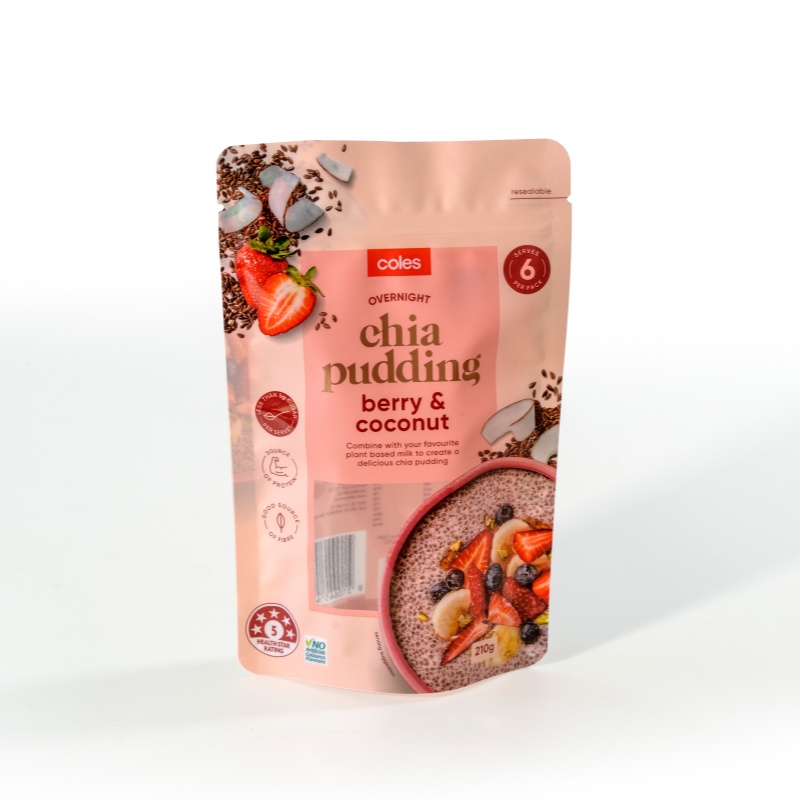
1. Recyclable Stand-Up Pouches:
A shelf-friendly format that combines lightweight structure with good presentation. It works well when a brand wants visibility, convenience, and easier transition from conventional flexible packaging.
2. Recyclable Zipper Pouches:
Useful for products that benefit from reclosure and repeat use. This format is often chosen for convenience-driven categories and consumer-friendly portion management.
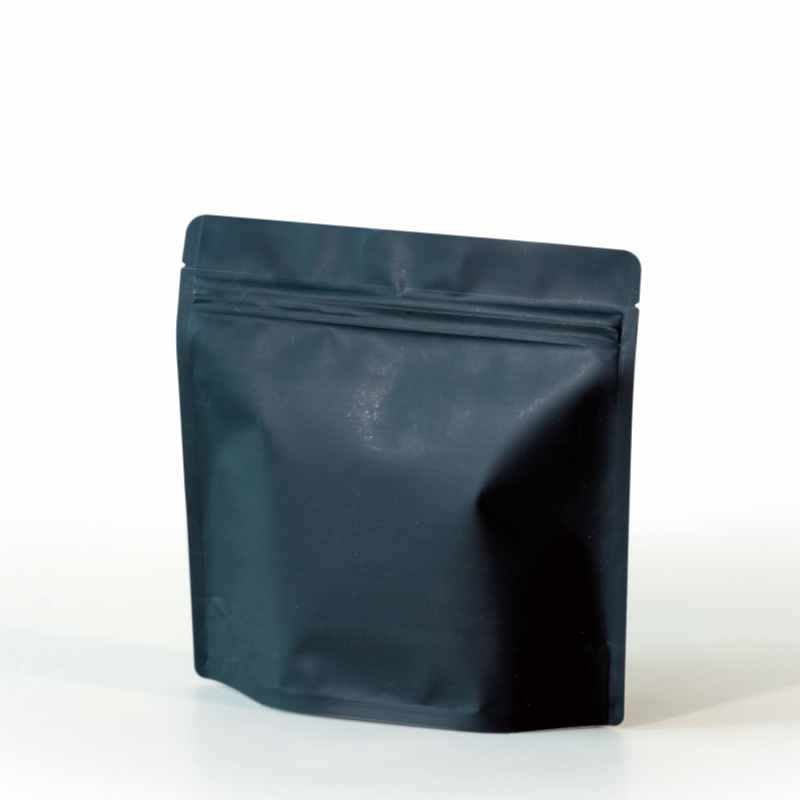
Recyclable Stand Up Zipper Pouch
3. Recyclable Spout Pouches:
Designed for liquid or semi-liquid products where controlled pouring and leak-resistant performance matter. They are especially relevant when space saving and user convenience are priorities.
4. Recyclable Retort Pouches:
Built for applications that require heat resistance and secure sealing while still moving toward recyclable mono-material solutions.
5. Recyclable Quad Seal Pouches:
A stronger format for products that need durability, shape retention, and a more structured shelf appearance.
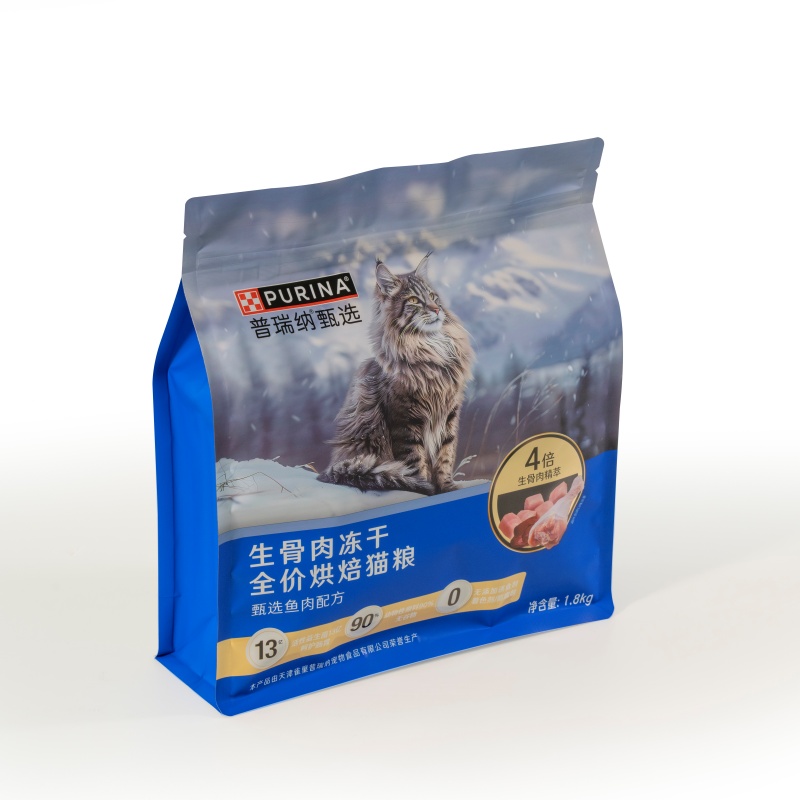
6. Recyclable Flat Bottom Pouches:
Often selected when brands want strong shelf presence, stability, and more premium visual impact without giving up the advantages of flexible packaging.
Traditional Packaging
Traditional packaging usually refers to conventional packaging formats that have long been used across food, beverage, personal care, industrial, and household markets. These formats may be rigid or flexible, and they are often chosen because they are familiar, scalable, protective, and easy to decorate or process on existing lines.
Traditional packaging is not automatically "bad" packaging. In many cases, it still performs very well. The issue is that some conventional structures, especially mixed-material flexible packs, are harder to sort and recycle than simpler mono-material designs.
Common Types of Traditional Packaging
The traditional packaging world is broad, but these are the formats businesses most commonly work with:
1. Multilayer Flexible Packaging:
This includes laminated pouches and composite films built from multiple layers for barrier, sealability, stiffness, or print performance. They can deliver strong functional performance, but mixed materials are generally more difficult to recycle than mono-material alternatives.
2. Rigid Plastic Packaging:
Bottles, jars, tubs, trays, clamshells, caps, and lids remain common because they are familiar, durable, and widely used across industries. EPA lists plastics as one of the major packaging material categories in the waste stream.
3. Glass Packaging:
Glass bottles and jars are still widely used for beverages, food, cosmetics, and other products that benefit from a rigid, premium-feeling container.
4. Metal Packaging:
Steel cans, aluminum cans, foil containers, and closures remain standard in many categories where strength, protection, or heat resistance matters.
5. Paper and Paperboard Packaging:
Cartons, corrugated boxes, sacks, and folding boxes are part of the traditional packaging mix and continue to play a major role in both retail and shipping applications.
Recyclable vs. Traditional: Choosing the Right Packaging for Your Business
Choosing between recyclable packaging and traditional packaging is not simply a matter of picking the newer option. The right choice depends on how your product needs to perform, how your brand wants to be positioned, and what your customers expect from the package. Recyclable packaging is often favored for its simpler material structure and stronger sustainability appeal, while traditional packaging is still widely used for its familiarity, proven barrier performance, and flexibility across many product categories.
1. Materials
Recyclable packaging is commonly designed with mono-material structures such as PE or PP, making it easier to fit recycling systems. Traditional packaging often uses multi-layer combinations to achieve strength, barrier protection, or shelf life, but those mixed-material structures can be harder to recycle.
2. Printing & Inks
Recyclable packaging usually requires more careful consideration of printing and ink compatibility so the overall structure remains aligned with recycling goals. Traditional packaging generally offers broader freedom in decoration, special finishes, and complex printing effects without placing the same emphasis on recyclability.
3. Environmental Impact
Recyclable packaging is developed with material recovery in mind, giving brands a better opportunity to support circular packaging goals. Traditional packaging can still perform well in product protection, but many conventional formats are less favorable when end-of-life recovery is part of the decision.
4. Cost Factor
Traditional packaging may still be the more practical option for some businesses because it fits existing supply chains, machinery, and packaging habits. Recyclable packaging can sometimes involve a higher transition cost at the beginning, but it may create long-term value for brands responding to sustainability expectations and future packaging trends.
5 Strategic Advantages of Recyclable Packaging for Modern Brands
Recyclable packaging is no longer viewed as a niche sustainability upgrade. For many brands, it has become a strategic packaging direction tied to product positioning, material efficiency, customer perception, and long-term market competitiveness. When evaluated properly, recyclable packaging is not only about environmental messaging. It is also about building a packaging system that better aligns with changing business requirements.
1. Stronger Alignment with Modern Brand Positioning
Packaging plays a direct role in how a brand is perceived in the market. Recyclable packaging helps communicate a more responsible, forward-looking brand image without changing the core product itself. For brands seeking to position themselves as more thoughtful, premium, or sustainability-conscious, packaging is often one of the most visible and immediate signals.
2. Better Fit for Evolving Market Expectations
Customer expectations around packaging have shifted. Buyers increasingly pay attention not only to product quality, but also to the materials used, the amount of waste generated, and whether the packaging feels consistent with modern sustainability standards. Recyclable packaging helps brands respond to those expectations in a way that is commercially relevant, especially in competitive consumer categories.
3. More Efficient Material Strategy
One of the key advantages of recyclable packaging, particularly in flexible packaging, is the move toward simpler material structures. Compared with conventional multi-material formats, recyclable solutions are often developed around more streamlined packaging architecture. This can support a more coherent material strategy and help brands move away from unnecessarily complex packaging designs.
4. Greater Commercial Relevance in Long-Term Packaging Planning
Packaging decisions are no longer made only for immediate production needs. They are increasingly part of broader business planning. Recyclable packaging gives brands a stronger foundation for long-term packaging development by aligning packaging choices with future market direction, internal sustainability goals, and shifting industry expectations. In that sense, it is not just a packaging change, but a strategic planning decision.
5. Improved Brand Credibility and Shelf Appeal
Packaging influences first impressions at the point of purchase. A well-designed recyclable package can strengthen shelf presentation while also adding credibility to the brand story. When recyclable packaging is executed well, it can make the product appear more current, more intentional, and better aligned with what many customers now expect from responsible brands.
Choosing the Right Packaging Option for Your Business
For businesses exploring recyclable flexible packaging, LD PACK offers a range of high-performance solutions built around mono-material structures such as Mono-PE, Mono-PP, Mono-PET, and polyolefin blends. These packaging options are designed to deliver barrier protection against moisture, oxygen, and light while supporting lightweight construction and compatibility with automated packaging lines.
Its recyclable packaging portfolio covers a wide range of practical formats, including stand-up pouches, zipper pouches, spout pouches, retort pouches, quad seal pouches, and flat bottom pouches. Different structures are developed for different application needs, from convenient pouring and leak-resistant sealing to heat resistance, stronger shelf stability, and more customizable presentation.
Conclusion
Recyclable packaging and traditional packaging each have their own advantages. Traditional packaging remains widely used for its familiarity and proven performance, while recyclable packaging is gaining attention for its simpler material structure and stronger alignment with modern sustainability goals.
For most businesses, the right choice depends on product requirements, cost, packaging performance, and brand positioning. When evaluated carefully, recyclable packaging is not just an environmental alternative. It is also a practical option for brands planning ahead.
FAQ
Q1. How do I know whether recyclable packaging is suitable for my product?
A: The first step is to evaluate your product's actual packaging requirements, including barrier needs, shelf life, sealing performance, transportation conditions, and filling method. Recyclable packaging can be a strong option for many applications, but the structure still has to match the product's performance demands.
Q2. Will switching to recyclable packaging affect product protection?
A: It can, depending on the product and the packaging structure selected. A recyclable format should never be chosen based on sustainability claims alone. It still needs to provide the protection required for storage, shipping, handling, and shelf display. The right solution is one that balances recyclability with practical performance.
Q3. Is recyclable packaging always more expensive than traditional packaging?
A: Not always. In some cases, recyclable packaging may involve a higher transition cost at the beginning, especially if a business is moving away from familiar materials or existing packaging habits. However, cost should be evaluated more broadly, including material efficiency, operational fit, brand value, and long-term packaging strategy.
Q4. What is the biggest challenge when moving from traditional packaging to recyclable packaging?
A: One of the most common challenges is finding a recyclable structure that still meets the same functional requirements as the previous package. Businesses often need to consider barrier performance, sealing, machine compatibility, appearance, and customer expectations at the same time.