
Key Questions for Recyclable Packaging Choices
Recyclable packaging has become a serious business decision rather than a simple sustainability talking point. For many brands, it now affects compliance planning, material selection, product protection, transportation efficiency, and brand credibility.
A recyclable structure is not evaluated on sustainability language alone. It has to perform in production, protect the product throughout distribution, and fit the recovery systems available in the target market. In that sense, recyclable packaging is best understood as a design and application decision, not just a claims decision.
Question 1: What makes packaging genuinely recyclable?
A package is not recyclable simply because it contains less material or carries a sustainability claim. Recyclability depends on structure design and on whether that structure can move through real collection, sorting, and recycling systems. Flexible packaging is increasingly assessed against design-for-recycling criteria, which is why simpler material structures continue to attract more attention.
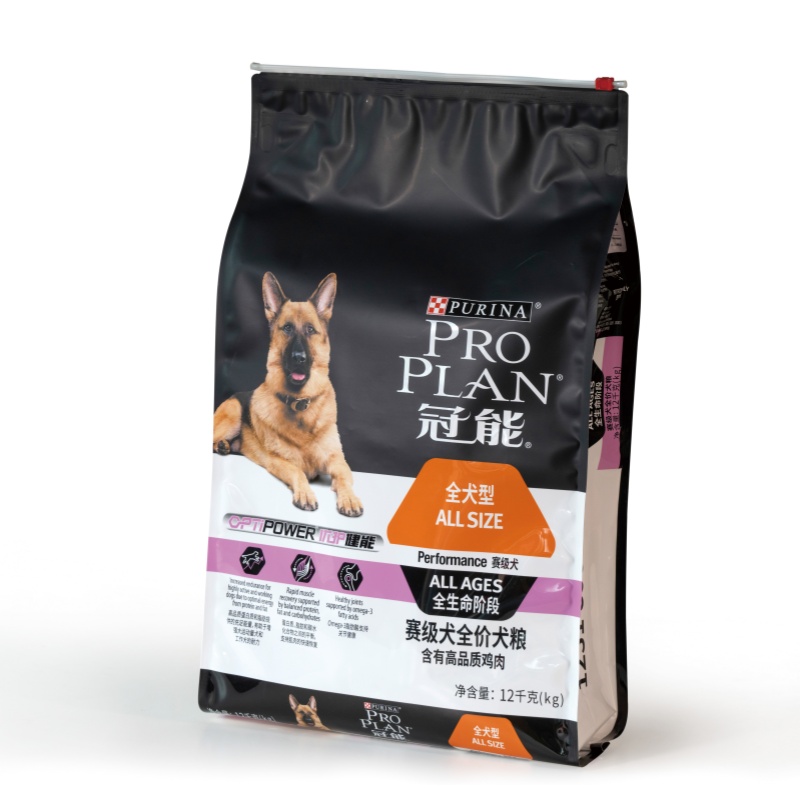
This is also why mono-material packaging keeps gaining momentum. Traditional flexible packaging often relies on combinations of PET, PP, PE, aluminum, or paper to achieve performance targets, but mixed-material constructions can be much harder to recover at end of life. The practical takeaway is that recyclability begins with packaging architecture, not with a claim added later.
Question 2: Can recyclable packaging still protect the product?
It must. Improved recyclability does not offset weak packaging performance. If a structure fails to deliver the barrier, seal reliability, mechanical strength, and distribution durability required by the product, the packaging system becomes less effective overall.
For that reason, barrier performance remains central to recyclable packaging design. Many applications still depend on controlled resistance to oxygen transmission, moisture ingress, light exposure, and physical stress throughout processing, storage, shipment, and shelf display. Recyclable packaging is commercially viable only when it is developed to meet the product’s actual technical and logistical requirements, rather than applied as a one-format solution across fundamentally different categories.
Question 3: Why do packaging terms create so much confusion?
A major source of confusion is that several material terms are often grouped together under the same sustainability language even though they describe different things. A material can be bio-based and still behave like a conventional plastic in recycling. A biodegradable material is not automatically suitable for composting in the real world. Compostable materials depend on controlled conditions and specific handling routes.
Quick terminology card
- Recyclable = designed to enter a recycling stream
- Bio-based = derived partly or fully from renewable resources
- Biodegradable = able to break down biologically under certain conditions
- Compostable = designed to biodegrade within specific composting conditions
Clear terminology leads to better packaging decisions because it keeps the discussion focused on actual end-of-life pathways instead of broad sustainability wording.
Question 4: When does compostable packaging make sense?
Compostable packaging can be useful, but it is not a universal replacement for recyclable packaging. It tends to make more sense in targeted applications where recycling is unlikely and where composting can help recover food waste or other organic material more effectively.
Its value also depends on infrastructure. Most compostable packaging materials require carefully managed industrial or home composting conditions and will not simply break down in the natural environment. That is why recyclability often remains the more scalable route for broader packaging systems.
Best fit scenarios
- Applications tied to organic waste streams
- Formats that are unlikely to be effectively recycled
- Markets with real composting collection and treatment capacity
Question 5: Are paper, glass, or metal always better alternatives?
Recycling Rates Do Not Tell the Whole Story
- In some markets, glass and metal achieve higher recycling rates than plastics.
- That does not automatically make them the better choice for every packaging application.
- Weight, production energy, and transport demands can increase their overall carbon impact.
Paper Has Strengths, but Also Limits
- Paper can work well in applications with relatively modest barrier requirements.
- It is often a strong option when the product does not need high protection against moisture, oxygen, grease, or light.
- For more sensitive products, paper alone may not provide enough protection.
Performance Still Comes First
- Some products require stronger barrier performance to maintain shelf life and product stability.
- Others need better seal integrity, puncture resistance, or durability during shipping and handling.
- In those cases, material choice has to follow technical performance, not perception.
Material Selection Should Be Application-Driven
- Packaging development starts with defining the functional role of the pack.
- That includes product protection, shelf life, distribution conditions, filling requirements, and end-use expectations.
- Once those requirements are clear, different materials can be compared on a more meaningful technical and sustainability basis.
What Brands Should Consider Before Switching
Product requirements
Barrier needs, fill conditions, sealing performance, heat exposure, and target shelf life should be defined first. A recyclable structure works best when it is selected to fit a known product profile rather than a general sustainability target.
Operational requirements
A pack that looks promising on paper still has to convert efficiently, seal consistently, and move through the production line with minimal disruption. Operational fit often determines whether a packaging change can scale successfully.
Market requirements
Retail expectations, consumer convenience, regulatory pressure, and the reality of local recycling systems all shape whether a packaging choice will work after launch. Recyclability on paper is not enough if recovery remains weak in the target region.
Explore LD PACK Recyclable Packaging Solutions
Moving to recyclable packaging is not only about meeting sustainability goals. It is also about choosing structures that can support product protection, production efficiency, and day-to-day commercial use.
LD PACK offers a recyclable packaging range built around mono-material structures such as Mono-PE, Mono-PP, Mono-PET, and polyolefin blends. These solutions are designed to support recyclability while helping protect products from moisture, oxygen, and light.
Why Brands Choose LD PACK
- Mono-material pouch structures
- Barrier performance for practical applications
- Compatibility with automated packaging lines
- CEFLEX-compliant design approach
- Multiple pouch formats for different product needs
Available Formats
- Stand-up pouches
- Zipper pouches
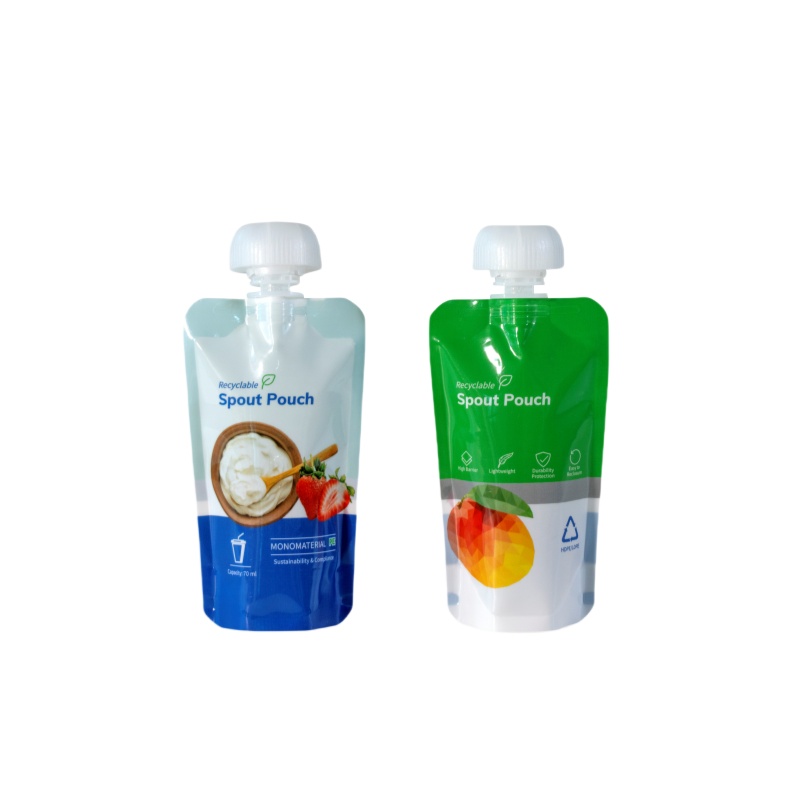
- Spout pouches
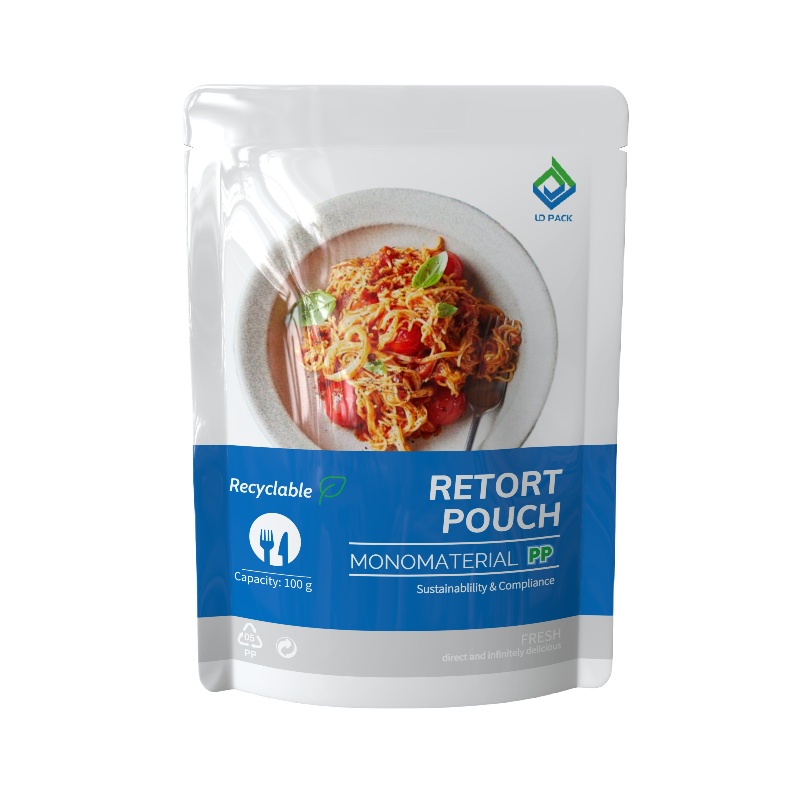
- Retort pouches
- Quad seal pouches
- Flat bottom pouches
For brands looking to move from packaging strategy to commercial rollout, LD PACK provides recyclable pouch solutions designed to balance recyclability, performance, convenience, and production efficiency.
Conclusion
Recyclable packaging is most effective when sustainability goals are matched with real packaging performance. The right structure still needs to protect the product, run efficiently in production, and fit practical recovery systems in the target market.
For brands moving from strategy to execution, the priority is no longer just whether recyclable packaging is possible, but whether it can work in real commercial conditions. LD PACK's recyclable pouch solutions are positioned around that balance of recyclability, barrier performance, format flexibility, and production efficiency.
FAQ
Q1. How do I know if a recyclable package will still protect my product?
The answer depends on the product’s actual technical requirements. A recyclable package still needs to provide the necessary barrier against oxygen, moisture, light, grease, or physical stress. It should also maintain seal integrity and distribution durability across the expected supply chain. If the structure cannot meet those requirements, recyclability alone does not make it the right choice.
Q2. Why does a recyclable pouch sometimes fail in real production even if it looks good on paper?
Because packaging performance is not only about material claims. A pouch also has to run consistently on the filling line, seal reliably, tolerate handling stress, and fit the product's processing conditions. A structure may appear suitable in concept but still create issues if it does not match the line setup, product characteristics, or speed requirements of actual production.
Q3. Is mono-material packaging always the best option for recyclable packaging?
Not automatically. Mono-material structures are often preferred because they are generally easier to sort and recycle than mixed-material laminates. However, the final decision should still depend on whether the structure can deliver the barrier, strength, sealing, and shelf-life performance required by the application